
Have you ever wondered what secrets a family home might hold behind closed doors?
What happens when hoarding becomes a family legacy, passed down through generations of trauma?
How do you navigate the emotional minefield of clearing out a house filled with decades of accumulated possessions?
Ingrid sits down with author Eileen Stukane to explore her powerful memoir 'The House That Held Everything,' uncovering the profound psychological and emotional challenges of dealing with a family home overtaken by hoarding. This conversation reveals how trauma shapes our relationship with possessions and offers compassionate insights into the decluttering process.
This episode delves deep into Eileen's journey of inheriting a house that held not just belongings, but decades of family secrets and unprocessed grief. From discovering rooms completely inaccessible due to accumulated items to uncovering a shocking family revelation, Eileen shares how she and her siblings approached the overwhelming task of sorting through their family's legacy with empathy and understanding.
🎙️ In this episode:
- Introduction and meeting Eileen Stukane
- The shocking discovery of the house's condition
- Understanding the psychology behind hoarding behaviour
- The emotional clean-up journey with siblings
- Uncovering major family secrets during the sorting process
- How trauma affects our relationship with possessions
- Practical strategies for compassionate decluttering
- The role of photographs in letting go of items
- Preserving family memories whilst decluttering
- Writing about the experience and sharing lessons learned
🕺More about Eileen Stukane
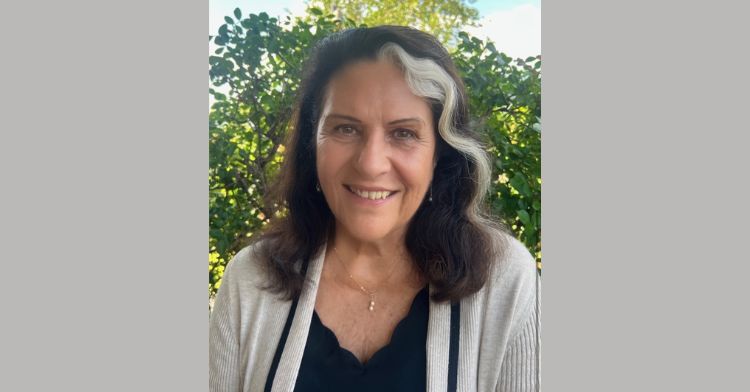
Eileen Stukane is an accomplished author whose memoir 'The House That Held Everything' chronicles her family's journey through hoarding, trauma, and healing. Through her writing, she provides valuable insights into the complex emotional landscape of dealing with inherited possessions and family secrets, offering hope and practical guidance to others facing similar challenges.
Connect with Eileen Stukane:
Purchase The House that Held Everything - on Amazon
YouTube trailer for The House that Held Everything
This episode offers a unique perspective on decluttering that goes beyond simply organising possessions. Eileen's story demonstrates how understanding the 'why' behind accumulation can transform the decluttering process from overwhelming to healing.
Whether you're dealing with your own hoarding tendencies, helping a family member, or simply trying to understand the deeper emotional connections we have with our belongings, this conversation provides invaluable insights into approaching these challenges with compassion and patience.
The discussion also highlights practical strategies for managing large-scale decluttering projects, including how to work effectively with siblings, when to seek professional help, and how to preserve meaningful memories whilst letting go of excess possessions.
What's your biggest challenge when it comes to letting go of family possessions or helping loved ones with hoarding situations?
Share your thoughts in the comments section below, and don't forget to subscribe for more inspiring decluttering conversations! 🎧
Prefer to read rather than listen?
Transcript of this podcast episode
Ingrid: In today's episode, we're talking about the house that held everything, a powerful and moving book that explores hoarding, family secrets, trauma and compassion. I am joined by the author Eileen Stuakane, whose memoir begins with the inheritance of a family home that once was so elegant, but had become completely consumed by hoarding.
I can't wait to chat and dive in with her.
Ingrid: Hello and welcome listeners. I'm Ingrid.
Lesley: And I am Lesley. Now, if you are here for the very first time today, or you've been listening in for ages, we want to say a huge thank you we have a little favour to ask.
Ingrid: If you like what you hear, be sure to hit that follow or subscribe button. Share us with your friends or leave us a review. It makes a huge difference to us.
Thank you, Eileen. Welcome. I'm absolutely delighted that we're having a chance to discuss your wonderful book, I have to Admit, together on this podcast. I thoroughly enjoyed it. I got an email saying, there's this book coming out, but are you interested? And I went, well, this sounds intriguing. I want to know more.
And I read your book and I, I told you before we hit record that I was locked in, as they say, the young guy, the young, my young daughter. I was says, mom, you're locked in. I was locked in and I just, I couldn't put it down. Of course I had to sleep of course, but I really, it was just something I was intrigued.
By it. I was fascinated by it and I loved it. So thank you for writing such an amazing book. And listeners, don't worry. We'll set, we'll put the, the book link and everything in the show notes as well for you. So, if you want to know more after this podcast, you definitely can find out more. So thank you, Eileen.
I mean, it's, there's a whole story behind it, isn't there?
Eileen Stukane: yes. I wrote the book, because I felt for a year I was sort of involved in a mystery. I, I, with my siblings had inherited the family home of relatives. We were the
Ingrid: Mm-hmm.
Eileen Stukane: It was my aunt, uncle, and two male cousins who had never married and never had children. And the last person who lived in the house was my cousin, Bob,
Ingrid: Mm-hmm.
Eileen Stukane: died. well, a little side story is, at first we didn't know he died. my,
Ingrid: Oh,
Eileen Stukane: was doing research on ancestry.com and found out, oh, Bob died. And when
Ingrid: oh,
Eileen Stukane: when we looked into what had happened to him, The, and did some research and called a funeral director. He said, oh, we were looking for you. We didn't think he had any, any family. And so that's how this, this, it sort of started out as a mystery, but,
Ingrid: Yeah.
Eileen Stukane: I didn't know. That when we got, when we, we finally got to the house as next of kin and opened the door this house would be nothing like the one I remembered. was, it was at least shoulder high
Ingrid: Wow.
Eileen Stukane: contents, boxes, Computer equipment, magazines, cracker boxes and lots and lots of Christmas ornaments and appliances. There was just a little goat path from the front door where you could walk from the living room into the dining room, into the kitchen, and this. room was the same. Every room was absolutely crammed.
Three bedrooms, two baths, full attic, full basement, and this. I knew that my aunt was very particular. She, she collected Asian art pieces and, and was very proud of her taste.
Ingrid: Mm-hmm.
Eileen Stukane: into this was such a, a shock and a mystery. And
Ingrid: Yeah.
Eileen Stukane: my sister and I were together and we went through this experience together and I said. her, I, I have to solve this mystery. How did this happen? What, what Took a normal family living normally with rooms that you could use for the purpose for which they were designed to now have rooms that can't be used at all. so that the mystery of it. started me sort of on a, on this quest. I actually didn't know I would write about it the end, until the house was almost empty.
Ingrid: Oh.
Eileen Stukane: I, I started, I deciding to look into what, what caused someone to accumulate.
Ingrid: Yeah.
Eileen Stukane: And, what I learned along the way, was that there, there is a sense of self protection because somewhere in your, somewhere in your background, you were traumatized and you were frightened you
Ingrid: Yeah.
Eileen Stukane: building a fortress around you.
Ingrid: Yeah.
Eileen Stukane: So it, it, it really, it started that way. But,
Ingrid: Yeah.
Eileen Stukane: but then what happened happened to me. having walked in and told you just how I felt, it was horrible. I, I made the mistake of opening a refrigerator door and having maggots crawl out of it, and it was horrifying and smelly. And and I said, this is just disgusting.
Ingrid: Yeah. Yeah.
Eileen Stukane: And the book, it's really, a journey, from starting out there, which this is disgusting to feeling like understand what happened and I had great compassion. really
Ingrid: Yeah.
Eileen Stukane: to understand more my, actually through their possessions
Ingrid: Yeah. Can, can, can I step back a little bit, Eileen? Because, so did you go to the house when you were younger? Did you see it as like a beautiful house and like when your aunt was still alive with her beautiful possessions? Because you speak a lot in the book about the beautiful indeed. The, the, the, the, the VAs and the glass and the, and the Chinese artifacts.
So, do you remember it as a, as a tidy, clean, lovely house?
Eileen Stukane: yes, I do. She was, she was very proud of her acquisitions, my aunt. And I think that my, I think my, I, my aunt and uncle were, collectors.
Ingrid: Mm-hmm.
Eileen Stukane: I don't think they were full on, you know, people who suffered from hoarding disorder, but collected a lot and they were on, sort of on the edge.
Ingrid: Hmm.
Eileen Stukane: was very, very proud of, you know, her, her acquisitions and, and her cut glass and, and her, Asian, her little jade carvings that she collected. and just as a little side story, when we were going through the house at first and we went upstairs to see what's in the attic, and we opened the attic and we found. Berg lithograph and, and we said, well, we know this is valuable. This is valuable, hidden in the attic. And I think that she did, I, I, I think sometimes there were two things going on there that she was very proud of her collections, but that she hid. Her collections
Ingrid: Yeah. Yeah, yeah.
Eileen Stukane: it, I don't know why, because I think she was a woman who strove for beauty. one thing that happened in the house I was there and, and I started to appreciate what was going on, that I would be stopped at moments of beauty. so, you know. If I could just hold the book up for a second. I wanna show you something
Ingrid: Yeah.
Eileen Stukane: this was the window in the kitchen and that was exactly as it was left. You can see the cut glass and the way the colors, the colors are sort of combined with each other, so.
Ingrid: Mm-hmm.
Eileen Stukane: In the midst of all the detritus, you know, and the lotum and there, there, were these moments that just stopped me in my tracks and
Ingrid: Yeah.
Eileen Stukane: made me say, this isn't all just, I'm just letting all this garbage pile up around me.
Ingrid: Yeah, yeah, yeah. so. I, oh gosh. I have so many questions. I mean more questions than I actually thought I was gonna, I mean, I knew I was gonna have lots of questions, but, so you come in, first of all, you have almost like the shock of finding out via ancestry.com that your cousin has passed away. You go to the, you get in touch with the funeral director, you come to the house.
Thankfully, you were there with your sister, so you were not prepared at all for what you were. Going to find. So the shock must have been absolutely for both of you, like unbelievable.
Eileen Stukane: I, it was, it, it, and. Especially odor because they were all smokers. So
Ingrid: Okay.
Eileen Stukane: and it was an older house, so the walls were still plaster.
Ingrid: Yeah.
Eileen Stukane: the, the, the walls had, and when you have that much cardboard around with boxes too, the paper absorbs the smell, the plaster absorbs the smell.
Ingrid: Yeah.
Eileen Stukane: so aside from the side of it, was the odor. Going
Ingrid: Mm-hmm.
Eileen Stukane: the house and, and after I had opened the refrigerator, which I just, you know, and, and, and that odor came out of the refrigerator with. All the creepy crawlies. I, I just, I had to wrap my scarf around my face and run outside, run
Ingrid: Yeah.
Eileen Stukane: breathe fresh air, take, take a drink of water and steal myself for going back in, in what was ahead.
Ingrid: Yeah.
Eileen Stukane: that it, it was, it was a complete utter shock.
Ingrid: Yeah.
Eileen Stukane: and.
Ingrid: So, so why did you and your sister then, decide to take this on? Because it was, it a matter of, like, you, you said, this is, it's suddenly dawned on me. This is a mystery. Were you not once thinking, I, I can't do this, this is overwhelming. I need to get help. Or a company or, because it's very time consuming to, to sort out a house.
I mean, I think it's, it took you a year, didn't it?
Eileen Stukane: it took a year.
Ingrid: So, so have you ever considered getting help or not doing this at all?
Eileen Stukane: Well, we, I had two brothers who were
Ingrid: Yeah.
Eileen Stukane: next of kin. All of us were, and my
Ingrid: Yeah,
Eileen Stukane: were like, get a dumpster and just throw everything out, just.
Ingrid: yeah.
Eileen Stukane: You know, clean it out, get it,
Ingrid: Yeah.
Eileen Stukane: of it. And I think part of it was, we said no. First of all, we said no, my sister and I said, no, we're
Ingrid: Mm-hmm.
Eileen Stukane: everything.
Ingrid: Yeah.
Eileen Stukane: we're going to give dignity to our family. And we're going to touch every object and under, understand it. And, and we will sort, we will, we will do the sorting. You don't have to do it. as it was, my sister and I both had freelance careers and they didn't, so it was easier for
Ingrid: Okay. Yeah, yeah, yeah.
Eileen Stukane: but we felt that there were valuables there And also there were memories. there
Ingrid: Hmm.
Eileen Stukane: been hidden in all this photographs, documents there, you know, things that, that represented our family, our nuclear family, as well as theirs. So
Ingrid: Yeah.
Eileen Stukane: it was a little bit of a, back and forth with brothers and sisters, but sometimes when you're the oldest, you can pull rank. And we did hire helpers. We did, we hired a
Ingrid: Mm.
Eileen Stukane: interviewed couple of companies and, who actually go in and do cleanups and we, we hired the company that said, you can set the pace. companies said, we have jobs. We, this has to be done in three weeks. And we said, well, we can't do that.
Ingrid: No.
Eileen Stukane: was, which was called Hoarders Express. they said. You know, you tell us and we'll work with you and we'll work over time. We'll just get our workers together and work out the schedules together. And they were, they themselves were compassionate and they were used to working with people in homes where the people were still living.
Ingrid: Mm.
Eileen Stukane: home didn't have anyone living in it, so
Ingrid: Yeah.
Eileen Stukane: a case of, of dealing with. The objects this, this is really important. If anybody is looking for help, I would say choose, choose people who, who will be very, very flexible.
Ingrid: Yeah.
Eileen Stukane: this was paramount to us. I don't think we could
Ingrid: Yeah. Yeah.
Eileen Stukane: And then, and then it was, it made it easier because my sister would be in one room with a helper. I'd be in another room with a helper. of course we had to confer all the time though. had
Ingrid: Yeah.
Eileen Stukane: we broke down things into categories, I'm sure you
Ingrid: Yeah,
Eileen Stukane: as a professional organizer.
Ingrid: yeah,
Eileen Stukane: Yeah. We had five categories.
Ingrid: Okay. And what were the five categories? I'm intrigued now. I would love to know.
Eileen Stukane: They were, keep auction donate. Throw out? Not sure.
Ingrid: Okay.
Eileen Stukane: I think the biggest pie was not sure.
Ingrid: Okay. Got it. Got it. So. You got in, you got some helpers, you and your sister were like, right, we're doing this because we want this for our family. We want to make sure we close this chapter properly. And you say, that you write a lot about the possessions being autobiographies. Can you tell us a little bit more about that?
What do you mean by that?
Eileen Stukane: well, for instance. If you look around your house, you can see things that are meaningful to you,
Ingrid: Mm-hmm.
Eileen Stukane: acquired over your lifetime that nobody else has acquired in, in the same, in the same progression. what happened was that I saw, for instance, my aunt. When we did discover her jewelry, had little plastic bags where she'd put a, a necklace and earrings together as, and she put a, put a little note that would say, go togethers. and she, she was, I, I had not thought of her as a woman, so interested in fashion and style. that she, she liked collecting and I knew that she had her, her Asian art collections, but
Ingrid: Mm-hmm.
Eileen Stukane: think of her. As fully as I did when I started to see her jewelry, and then I started to, and I thought, she's more of an artist herself than
Ingrid: Mm-hmm.
Eileen Stukane: credit for.
Ingrid: Yeah.
Eileen Stukane: look at all the cut glass and the way she had it arranged, I, I, you know, I really felt that she was a frustrated artist that, that she, that. That she had an artistic streak inside her, and she, it was coming out in these ways, which I didn't know about. and, and she, she was more of a, of a, person of depth than I had realized. So
Ingrid: Hmm.
Eileen Stukane: up is, lots and lots of Tupperware. Do you know what Tupper, do you remember know what
Ingrid: Hmm.
Eileen Stukane: is? Yeah.
Ingrid: Oh yeah. Oh yeah.
Eileen Stukane: Well. I real, I, I found out that she, she was a Tupperware lady, so,
Ingrid: Yeah.
Eileen Stukane: in a way this in the 1950s and sixties. And I thought, well, here she was. She was someone who was sort of a frustrated artist, yet she was striving for independence herself. With you by, by selling all this Tupperware. And, and when you, you know, when you go through and you think, well, here's the Tupperware, here's the jewelry, here's the art, here's the very famous artist in the attic that we found. You
Ingrid: Yeah.
Eileen Stukane: a more well-rounded sense of someone's personality. and that, that was just my aunt, you know.
Ingrid: Mm-hmm.
Eileen Stukane: I could go through other people in.
Ingrid: But it's interesting, isn't it? You start to kind of almost. Peel the layers of the onion and you uncover more and more the more you kind of go through the belongings. You find out their, the personalities behind the people that live there that you might not have known when you maybe were younger or when you would meet them maybe at a birthday or a celebration somewhere.
There's never time to kind of. Get to know the person really, and it probably because you started to go through and find all the things, you started to build a whole picture of who they were.
Eileen Stukane: Yes, You, you, you do, you, you realize that they have, they're multifaceted personalities that, you know, as a child, you don't really see it. You know, you don't really see it. It's just your aunt and uncle and you know, and your
Ingrid: Yeah.
Eileen Stukane: annoy you.
Ingrid: Yeah.
Eileen Stukane: But
Ingrid: And now the last one to live in the house was your cousin Bob, and he kept all of the possessions as well, right after his, his mom passed away, his dad passed away, his brother passed away. So why do you think that he never could let go of their belongings?
Eileen Stukane: I think they're alive.
Ingrid: Hmm.
Eileen Stukane: you know, you know, they represent. People who you love
Ingrid: Yeah.
Eileen Stukane: and the pos, the possessions make these people come alive. When
Ingrid: Yeah.
Eileen Stukane: something that someone else touched
Ingrid: Mm-hmm.
Eileen Stukane: it brings you closer to them. It's why it's so hard to throw anything out
Ingrid: Yeah.
Eileen Stukane: to people you love.
Ingrid: Yeah.
Eileen Stukane: and, and I, I. he was lonely
Ingrid: Mm-hmm.
Eileen Stukane: this kept the, his family was still there to keep him company
Ingrid: Yeah.
Eileen Stukane: and, you know, I found out too that. In doing my research that, especially in things like clothing, the aroma of someone still lingers in the clothing and you can, you can feel like they're still in the room with you because
Ingrid: Yeah.
Eileen Stukane: sense their aroma. And, it, it, it's sort of a fascinating thing that this, that this still lingers be behind and you leave it behind.
Ingrid: yeah,
Eileen Stukane: I, I actually found it, I found my aunt's handkerchiefs in a drawer and they actually still had her scent of cologne in them.
Ingrid: yeah,
Eileen Stukane: it, it, it was really remarkable. so I think that, that these objects, Very hard to discard.
Ingrid: Hmm.
Yeah.
Eileen Stukane: one way, one way that, that we did it when we, when there was a question of should we or shouldn't we keep this or throw this out? We would take photographs
Ingrid: Yeah.
Eileen Stukane: and, and the photo, and then we would say, okay, well we have the photograph. Now we can let it go.
Ingrid: Yeah.
Eileen Stukane: was
Ingrid: Yeah. Yeah. Thank you. Thank you, Eileen. oh, I, I want to know more. Let's go for a break and, listeners, are you like, I'm like, just hang on to every word that Eileen is sharing with us. So I hope you're enjoying this podcast as well. But let's take a quick break and we'll be right back.
Hi everyone. Welcome back. Wow. I love, I hope you love listening to Eileen's story as much as I am. I have more questions, so I'm gonna dive straight back in. So, Eileen, you really met, you were talking about your, cousin Bob before the break, that he was the last one in the house and he really, kept so much, he couldn't let go of anything from his parents and his brother, but.
You also found out that he had quite a traumatic life and past as well, right?
Eileen Stukane: Yes. Yes. He, he did. when I, I started talking, to psychologists about hoarding and why, why people keep so much. it, it always goes back to some trauma that happened.
Ingrid: Mm-hmm.
Eileen Stukane: in childhood. first of all, I, I, I did learn that sometimes it's a distant parent that starts it, if you're not getting love from, your mother or father, the love that you crave, you, some, you can start even as a child. Accumulating accumulating objects to make yourself feel better, to give yourself comfort. In the case of of, of Bob. I do think that his father, my uncle was distant. He,
Ingrid: Mm-hmm.
Eileen Stukane: traveled because he was a, a, a salesman essentially. And then, his collections were clocks and, and, and watches and, and he, he kept himself busy. With his, his hobbies. but anyway, to get back to Bob, he, was a person who really dropped out of college to find himself and wound up getting assaulted in a, in, in California. And the house was in New Jersey and my aunt and uncle had to go and rescue him.
Ingrid: Wow.
Eileen Stukane: and then later on he was in a terrible car accident that
Ingrid: Oh.
Eileen Stukane: an inoperable back pain and he, he was on Oxycontin. for the years since that, which would've been more than 10 years on it. so I, the, the combination I think of, of a distant father and the trauma being assaulted and the trauma of, of living with back pain every single day of your life, drove him to find another way to live, another way to live. but, on, on sort of the lighter side. He, the house was filled with Christmas ornaments.
Ingrid: Yeah, I, I was intrigued by that.
Eileen Stukane: Yes. when you walked in on top of this pile of, of garbage, it looked like a landfill. There was a little Christmas tree on top of it all,
Ingrid: Yeah.
Eileen Stukane: and there were many, many unopened boxes and then boxes of crafts, like glitter and wire and, and, and, and little beads. And he, realized that he would make these, these ornaments, he would make Christmas ornaments, and
Ingrid: Right.
Eileen Stukane: was all a drive to remember happier times and to make himself feel better. One of the reasons we understood that he was. Making these ornaments was, we donated quite a bit of the, in the house to the church where he and his family worship. There was a thrift shop. And then the thrift shop said, well, you know, Bob used to give us Christmas ornaments that he made every year and we would make money on this. And, and so, I think that, I think that there are a lot of people who are. Shut in or secretive are very creative. They do creative things by themselves.
Ingrid: Yeah. Yeah. Amazing, amazing. So you were in the house, you're starting the work, you are trying to, you, you probably were like there a lot of the time in the week to trying to do this all because it, it was a very, very big ho as you describe it, but interestingly enough, you discovered a lot of other things as well, right?
Beside possessions you discovered. A family secret.
Eileen Stukane: Yes. on the, on the positive side of saving everything, there were documents that were saved from, my grandmother that my uncle. Had my father's brother, my father, and all of us grew up being told that his father died when he was two years old and he had no grandfather, and he was raised by a single mother who was a widow. Well, in
Ingrid: Yeah.
Eileen Stukane: we found out that this grandfather, my father's father, was very much alive all his life, so.
Ingrid: Wow.
Eileen Stukane: So, I mean, there, it, it turned out that, uncle knew, and his family knew, because there were cards and letters back and forth from this grandfather to them throughout life. My, grandmother. Had a warrant out for my grandfather's arrest for child support, that she renewed regularly and, and, didn't divorce. my father was 21, so it was sort of a mystery why, why my grandmother would keep it a secret, why my uncle would keep it a secret. Why no one told my father that he had a living father.
Ingrid: Yeah.
Eileen Stukane: this, this was a shock to all of us.
Ingrid: Yeah.
Eileen Stukane: happened is that my father eventually met him just before he died because my
Ingrid: Oh.
Eileen Stukane: which we didn't realize at the time, relented. My uncle just said, oh, I found someone who heard about someone who lived here, and I think it's our father, you know? And it was very shocking.
And he acted as if he was very shocked. So my father did go down and meet this man who was indeed his father, but then he died shortly after that. So we had
Ingrid: Oh
Eileen Stukane: meeting. We never knew Mike, the brother, ever knew the father was alive except for that one meeting.
Ingrid: wow.
Eileen Stukane: So, so be careful what you throw out when you do sort. Look for any family secrets you might have.
Ingrid: Yeah. Yeah.
Eileen Stukane: You know, you never know. There's
Ingrid: Yeah.
Eileen Stukane: and, and there's also money too that you might find.
Ingrid: Yeah. And have, have, were you, I must, I can't even find the words. I, were you like delighted and kind of mad and confused all at the same time when you found, found this,
Eileen Stukane: yes.
Ingrid: imagine.
Eileen Stukane: up and you, you open up, you find these folders, you find these manila envelopes, and you open them up and you say, my God. He was alive all the time. And
Ingrid: Yeah.
Eileen Stukane: have been like if, if we had a grandfather, what would
Ingrid: Yeah,
Eileen Stukane: like if we, father had had a father, because I always felt in my life, my father was making it up as he went along. You know, he, he never
Ingrid: yeah.
Eileen Stukane: he never had a role model. So think of how his life would've been different and
Ingrid: Different. Yeah.
Eileen Stukane: been different if there had been, had been a father. it.
Ingrid: Hmm.
Eileen Stukane: was, it, it was very, very shocking. And the, warrants for his arrest were, really like, my God, she was trying to track him down to get money while she was keeping this secret. I mean, even if
Ingrid: Unbelievable.
Eileen Stukane: to keep the secret when she decided to get a divorce, and my father was 21 years old at that point. You think she could have told him?
Ingrid: Yeah.
Eileen Stukane: it, it boggles the mind.
Ingrid: Yeah. Interesting. Yeah, it's, it's absolutely fascinating. You, you, you will never find out. Unfortunately, it's one of those lives, questions and mysteries now, isn't it? So you. Emptied the house. So what has happened with all of the items and all of the, and the house itself? Has it now been, been sold? Has it have the items gone to auction?
It's, it's all been, it took you a year. I mean, that is a long time, but whole process, isn't it?
Eileen Stukane: It is, it is there. filled six, 30 cubic yard dumpsters. we donated, we donated to the church thrift shop we donated
Ingrid: Yep.
Eileen Stukane: the hard part was, breaking down the categories. Then making a decision then. But once we
Ingrid: Yeah.
Eileen Stukane: decision, okay, this goes in the dumpster, this will donate. and, and this will keep for ourselves.
And we,
Ingrid: Yeah.
Eileen Stukane: and what went to auction, made us quite a bit of money. We made about $40,000.
Ingrid: Mm-hmm.
Eileen Stukane: and there was one watch, one pocket watch that was very rare. We didn't know that. Sold for just $16,000.
Ingrid: Wow.
Eileen Stukane: dollars. the house itself, was sold to people who, who develop it and flip it.
Ingrid: Yeah.
Eileen Stukane: So sold the house when it was empty. Oh, this is interesting that after, after we got to the point where we had, we had taken some things. What we did do, by the way, during this process is we rented a storage unit about two miles from the house. 'cause there was
Ingrid: Mm-hmm.
Eileen Stukane: to sort in the house. So we would put things in my sister's car, drive to the storage unit and sort in the storage unit because there
Ingrid: Yeah.
Eileen Stukane: surfaces. now I lost my train of thought. Where was I? but, At, at auction and donating and, keeping the things we kept were photo albums that we found were also stamp collections. That, we kept for a while and then sold. it was, it was hard to make the decisions and it was hard to, think about them while you're making the decisions.
Like we
Ingrid: Yeah.
Eileen Stukane: we wanted to who they were and
Ingrid: Yeah.
Eileen Stukane: and, and make everything right.
Ingrid: Yeah.
Eileen Stukane: we did that. I think we
Ingrid: Yeah.
Eileen Stukane: time.
Ingrid: But the sound of it, it does. So at the end, you kind of thought. I, I need to write a book about this. The house. The house that held everything. And you did a lot of research on that book as well, right? So what if people are listening to this and are going, oh wow, I've got a mom, dad, uncle, family member that has a house like this as well.
What is the what? What would you encourage them to do? What? What would be the first step or what are maybe things that they shouldn't do and which can make it worse? I would love, I would love your advice on that.
Eileen Stukane: Yes. well, I wrote the book, about my journey because I wanted. I wanted people to, that don't just dismiss someone is living the way you think they shouldn't be living.
Ingrid: Mm-hmm.
Eileen Stukane: that it's, that there's, there's suffering. And, the best thing you can do is, is be a friend.
Ingrid: Mm-hmm.
Eileen Stukane: I talk to a lot of experts. And, I, I got a lot of information about what to do when someone you love is a compulsively hoards. And the, I mean, the best thing you can do is not go into the house and say, get rid of everything.
Ingrid: Yeah. Yeah,
Eileen Stukane: this way? there, there was, a psychologist called, Dr. Michael Tompkins, writes about harm reduction. And he says, you know, what you wanna do is build trust. Go in and start talking to some, to, to your loved one and say, you know, I really care about you. And have a cup of tea. Sit down, talk, and then walk around and say, you know, these boxes are very near the stove. if we could just move these boxes out. you, you know, it would be safer for you. There could, this is a
Ingrid: Yeah.
Eileen Stukane: And
Ingrid: Yeah.
Eileen Stukane: you, you could start with them saying, oh, yeah, I didn't think of that. And slowly you
Ingrid: Yeah.
Eileen Stukane: moving things and maybe even moving them out. The, you know, look at the height of this, look at the height of these things.
They could fall on you. You could hurt yourself. You could
Ingrid: Yeah.
Eileen Stukane: on and no one would know you fell down because you were hit by this avalanche. And. It, it was, it was a, really touching the way he told me about how you should go in, have an open mind, say what were your dreams, you know, how, what did you think about how you wanted to live when you were young and,
Ingrid: Mm-hmm.
Eileen Stukane: get a basis of trust
Ingrid: Yeah.
Eileen Stukane: Going into a therapy session is the best way there.
Ingrid: Mm-hmm.
Eileen Stukane: are workshops have been created called Buried in Treasures here,
Ingrid: Mm-hmm.
Eileen Stukane: there's also a workshop book you can get, that experts have written called Buried in Treasures, and, and that can help. But really I wanted them to write the book to people see what happened to me internally.
Ingrid: Yeah. Yeah.
Eileen Stukane: and to sort of lay the foundation for no judgment,
Ingrid: Yeah.
Eileen Stukane: judgment. Just go in and, and be kind. And
Ingrid: Yeah.
Eileen Stukane: what really motivated me.
Ingrid: Yeah, yeah. So did you take a lot of the items from the home in it? It got di, did it get divided between the brothers and sister? Did you bring a lot home? Because that's of course what happens a lot as well when, children have to sort out, for example, their parents' home, they find it really hard.
Was this. On the one hand easier because they were an aunt and uncle that you maybe have not had as much contact with, or was it still that you think, yeah, I took a lot of boxes home and now I need to sort them out, or, no, I really picked out the things that would be important for me.
Eileen Stukane: Probably both. We, we took things that, that we thought we would like. we were careful though because there, since there were four of us, we, we wanted to make sure that our brothers, you know, got their due and
Ingrid: Yeah.
Eileen Stukane: valuable things, that we, we let go to auction so that there.
Ingrid: Yeah.
Eileen Stukane: So that everything could be divided equally. but we, we saved some things, like there was a box of over 50 paper weights. Gorgeous, gorgeous paper weights. we sold some, we, we saved some, we, we had a family meeting where we had. The things laid out on tables, certain
Ingrid: Yeah.
Eileen Stukane: We took things back to my sister's house and then invited our brothers over and, and I actually, I think it was a holiday and they came over.
We said, take what you want or take what
Ingrid: Yeah.
Eileen Stukane: from the house. They,
Ingrid: Yeah.
Eileen Stukane: really that interested,
Ingrid: No. Yeah.
Eileen Stukane: were just, is it done yet?
Ingrid: Yeah. Yeah, yeah. Well, totally, totally fascinating, Eileen. And I think it's really interesting, to read about your experience and to, especially because it was such a full house, but all of the, the things you discovered along the way about your family and about the family history and all of those things.
And I, I, like I said, I really, really enjoyed the book. So, It's called the House that Held Everything. we'll put the, details where you can find it, in the show notes if you're interested. thank you Eileen, for, for coming here on the show and, and sharing, with our listeners all about it. So listeners, are you like inspired or are you like, oh gosh, I've got that ahead of me, but now I feel.
Less frightened because I've heard somebody who has gone through it. Or are you like, oh gosh, no, this is not for me. I'm going to need to do something else because I don't see myself in the current life to have, I don't have the opportunity to do this. I hope this makes you think, but I think what's really important, and I I absolutely agree with you.
On that, Eileen, is that it's so important to be kind and not have judgment and to be open and to be listening and to be helpful, but not put your own ideas on somebody else because it's so easy to say, oh, just throw it all away and get a skip, and it's all rubbish, but it's not, is it? And that's exactly what your experience was.
The more you found almost the more treasures you found below it all. So I've really enjoyed our conversation. Thank you so much for being on the show.
Eileen Stukane: Oh, thank you for inviting me and, I hope someone is listening. Who, who might have thought, you know, just throw it out. Just throw it out and now
Ingrid: Yeah,
Eileen Stukane: thoughts.
Ingrid: yeah, exactly. Well, thank you so much again, and listeners, thanks for tuning in and we'll see you next week.
Subscribe now so you don't miss an episode
Prefer to watch rather than listen? Watch on YouTube
Did you know we have a FREE Open House week soon?
Useful Links and Resources
Subscribe now so you don't miss an episode

I just wanted to say how much I enjoy your podcast, and this episode about The House That Held Everything is my favourite so far! I love how Eileen and her sister honoured their family’s memories and legacy in such a genuine and caring way. The information she shared about how to approach someone in a non judgemental way was lovely too as I’m sure it’s the basis of how many loved ones feel, but then it’s forgotten because a sense of urgency takes over. When really those gentle conversations will help the person to make the changes themselves by changing mindsets. Thank you I’ll definitely be reading this book! Xx
Thank you Brooke for letting us know. I really enjoyed my conversation with Eileen and I'm glad you liked it too.